

Jan 21st,2026
Rubber flooring is favored for its durability, slip resistance, and sound absorption. This guide helps you make informed decisions before purchasing.
1. Clarify Application Scenarios
Choose based on usage. For commercial areas (gyms, hospitals), opt for commercial-grade rubber flooring with high wear resistance. For home use (basements, kitchens), residential-grade ones balance comfort and cost. Indoor floors prioritize moisture resistance, while outdoor ones need UV resistance.
2. Focus on Core Performance
Durability depends on material density—higher density means longer lifespan. Slip resistance is critical; look for products with a slip resistance rating ≥ R10. Eco-friendly options (recycled rubber) are ideal for families and public spaces.
3. Consider Thickness & Installation
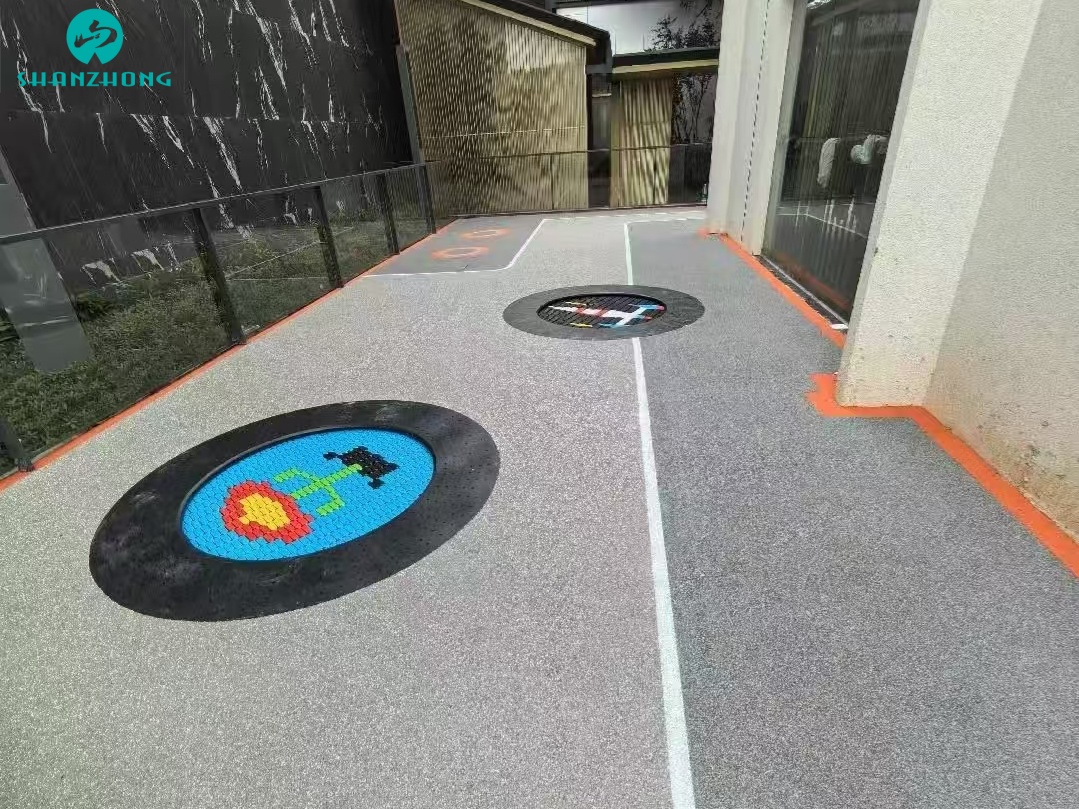
Thickness ranges from 2mm to 10mm. Thicker floors (6-10mm) suit high-traffic areas. Check installation difficulty: self-adhesive types are easy for DIY, while glued ones need professional construction for stability. Factor in maintenance costs; rubber flooring is low-maintenance but avoid harsh cleaners.