

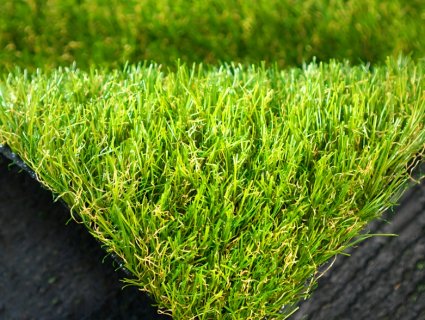
When shopping for artificial grass, specifications like 6,000, 8,800, 12,000, or 16,000 can be baffling. DTEX (Decitex) is one of the most critical manufacturing metrics in the synthetic turf industry, directly influencing fiber resilience, tactile comfort, and lifespan. This guide demystifies DTEX, busts common buying myths, and helps you select the right grade for your specific project.
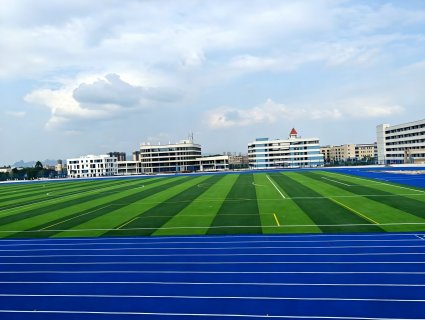
In wet-pour rubber and athletic track surfacing, adhesive binder is the most critical cost driver, yet it is also the most vulnerable link in the quality chain. Under-dosing binder causes aggregate shedding, surface erosion, and micro-cracking within months. Conversely, over-dosing not only inflates material costs but produces an oily, slick film, hardens the shock-absorption pad, and lowers the Critical Fall Height (CFH) safety rating.
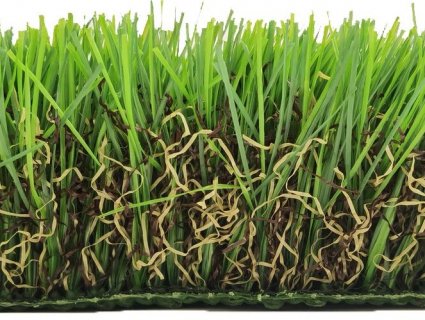
We see a lot of parameters when we buy a Artificial lawn, so what do they all mean, this article will briefly introduce them.
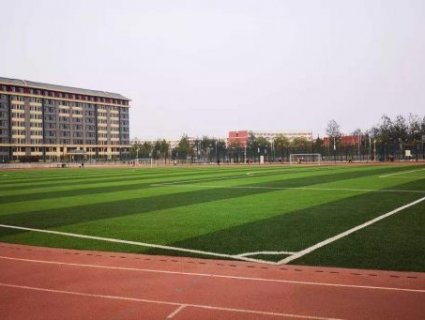
Many people think that if the grass is good, it will make a perfect artificial turf playground. In fact, this idea is not entirely correct. Good turf is the first and foremost requirement for a good playground, but if it is not laid well or professionally enough, even the best turf will not guarantee a quality field. Today we’ll talk more about a few factors that affect the laying of artificial turf.
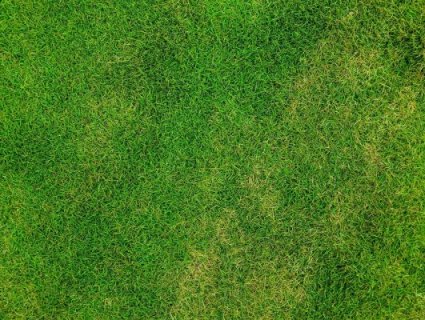
Artificial turf is becoming more and more common in today’s life, but there is a big difference between high pile density artificial turf and real grass. In this article we will focus on the advantages and characteristics of artificial turf.
The raw material for artificial turf is polyethylene or polypropylene, both of which are electrically insulating, but why does it still generate static electricity? In fact, the better the insulating properties of the material, the more likely it is to generate static electricity.