
Feb 27th,2026
As padel tennis gains global popularity, choosing the right flooring material becomes crucial for game quality, player safety, and durability. The ideal padel court surface balances consistent ball bounce, optimal grip, and weather resistance, catering to both professional tournaments and recreational use. Here’s a concise guide to the most common and reliable materials.
Artificial turf is the global gold standard for padel courts, widely adopted in professional competitions. Made of high-density polyethylene or polypropylene, it offers excellent cushioning to reduce joint stress and injury risks, while ensuring uniform ball bounce and anti-slip performance. With UV resistance and low maintenance, it adapts well to outdoor environments and retains performance in various weather conditions.
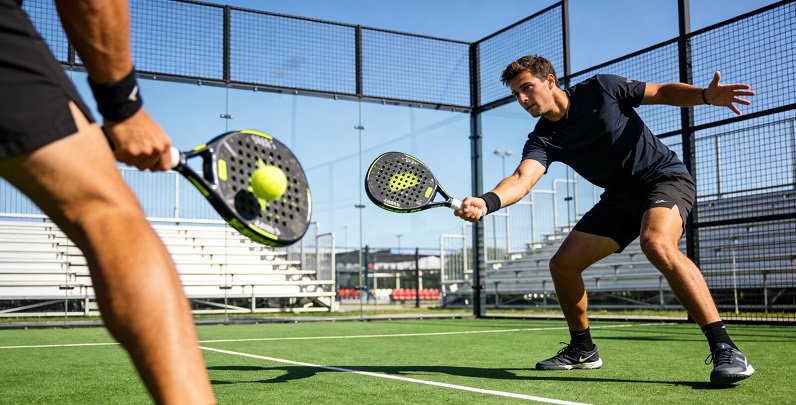
Synthetic resin flooring is another popular option, especially for tournament courts, as it provides adjustable ball bounce speeds and enhanced player comfort. Rubber-bonded resin variants are favored for their balance of friction and shock absorption. Porous concrete is ideal for rainy regions, featuring full drainage to avoid water accumulation and ensure year-round use.
Traditional concrete surfaces are less preferred due to their hardness, which increases injury risks and causes unpredictable ball bounce. When selecting materials, consider climate, usage frequency, and budget—artificial turf remains the most cost-effective and versatile choice for most padel facilities worldwide.