

Jan 29th,2026
EPDM (Ethylene Propylene Diene Monomer) and SBR (Styrene-Butadiene Rubber) are two common synthetic rubbers widely used in sports flooring. Their distinct properties determine different application scenarios, from outdoor stadiums to indoor gyms. This article explores their characteristics and practical uses to help you choose the right material for your sports facility, with professional solutions available at shanzhong.com.
As core materials for sports flooring, EPDM and SBR each excel in specific scenarios due to their unique physical and chemical properties. EPDM stands out for its excellent weather resistance, elasticity, and color retention, making it ideal for outdoor sports facilities. It can withstand extreme temperatures, UV radiation, and ozone erosion without fading or cracking, so it is widely used in outdoor(plastic tracks), football fields, and kindergarten playgrounds. Its superior shock absorption (35%-50% impact absorption rate) effectively reduces joint damage for athletes and children, ensuring safety during intense sports or play.
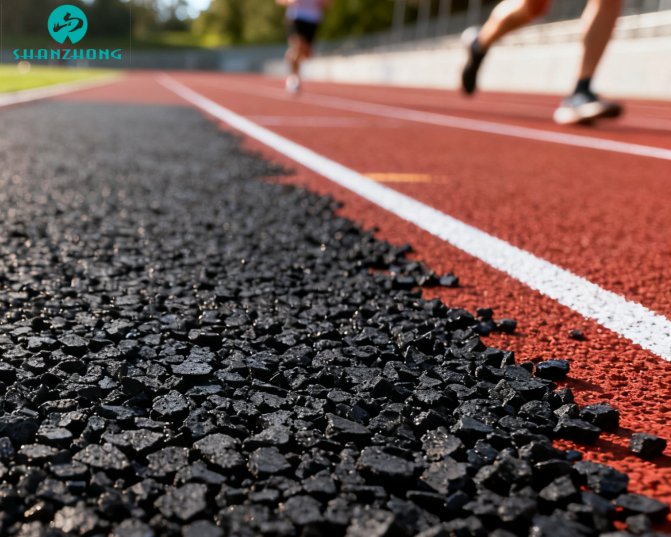
SBR, by contrast, is cost-effective and highly wear-resistant, making it a preferred choice for indoor sports flooring. It has excellent shock absorption and noise reduction performance, suitable for high-traffic indoor spaces such as basketball courts, badminton courts, and gyms. Though less weather-resistant than EPDM, SBR’s durability and affordability make it perfect for indoor training venues and industrial sports areas where long-term wear resistance is required.
Understanding the application differences between EPDM and SBR helps optimize sports facility construction. For customized sports flooring solutions and professional material advice, visit shanzhong.com to explore our full range of products tailored to diverse sports scenarios.